

Sleep is not just “time off”. While you rest, your body and mind get a chance to recover, and getting enough of it supports your health and your mood. In this article we look at how much sleep adults need, why it matters, and a few simple habits that may help you sleep better.
At THE ETERNAL FACTS, we believe that small, consistent habits can make a difference to your wellbeing. Explore why sleep matters, how much rest adults generally need, and simple ways to create a more peaceful bedtime routine.
Rest well. Feel better. Live healthier.
How much sleep do adults need?
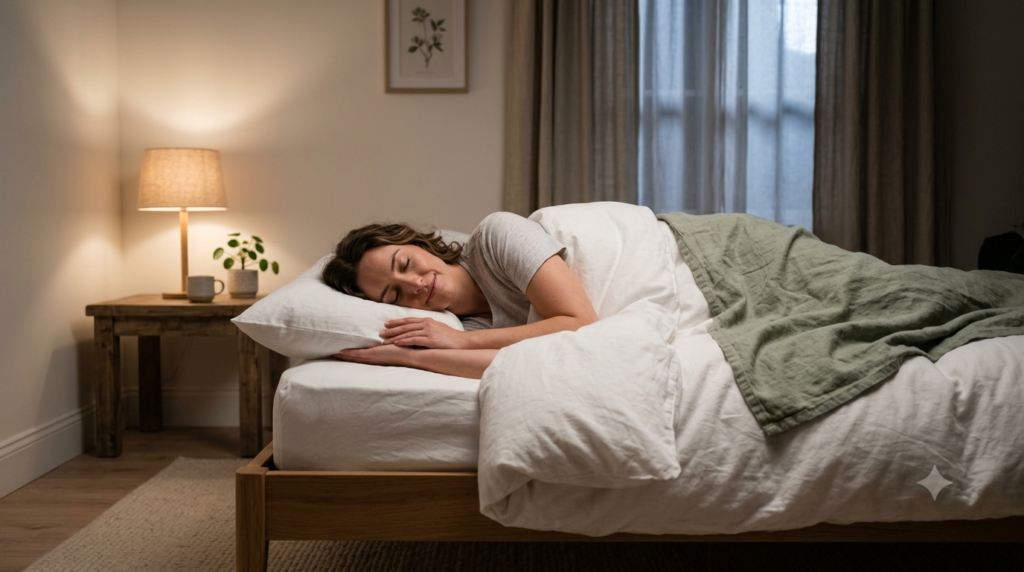
The right amount of sleep can vary from person to person, but age provides a useful guide. Most adults need at least seven hours of sleep each night to support their health.
General recommendations for adults are:
- 18–60 years: 7 or more hours
- 61–64 years: 7–9 hours
- 65 years and older: 7–8 hours
Sleep quality matters too. Waking up frequently, struggling to fall asleep, or feeling tired throughout the day may be signs that your sleep needs attention.
Remember, healthy sleep is about both getting enough hours and feeling rested.
Why is good sleep important?

A good night’s sleep can help you feel more refreshed and ready for the day. Rest is not simply about avoiding tiredness; it also supports many everyday body functions.
Getting enough sleep can help you:
- Support your immune system: Sleep plays a role in helping your body defend itself against illness.
- Improve mood: Adequate rest may help you manage stress and feel more balanced.
- Support heart health: Healthy sleep habits are associated with better cardiovascular health.
- Maintain concentration: Sleep helps your brain process information, learn and remember.
- Support metabolism: Regular, sufficient sleep is important for the body’s normal regulation of energy and appetite.
Sleep works together with balanced nutrition, physical activity and other healthy habits to support overall wellbeing.
Signs your sleep may need attention

Sometimes, your body gives you clues that you are not getting enough quality sleep.
You may notice that you:
- Take a long time to fall asleep.
- Wake up several times during the night.
- Feel tired even after spending enough time in bed.
- Find it difficult to concentrate during the day.
- Feel unusually sleepy or irritable throughout the day.
These signs do not always mean you have a sleep disorder. However, if they happen regularly or affect your daily life, it is worth paying attention to your sleep routine and seeking professional advice when needed.
Simple habits for better sleep

Improving your sleep does not require a complete lifestyle change. Start with a few manageable habits and follow them consistently.
1. Follow a regular sleep schedule
Try to go to bed and wake up at around the same time every day. A regular routine can help your body maintain a consistent sleep-wake rhythm.
2. Create a relaxing bedtime routine
Give yourself some quiet time before bed. Reading a book, listening to gentle music or practising slow breathing may help you relax. Try switching off electronic screens at least 30 minutes before bedtime.
3. Give your mind time to unwind
Worries and unfinished tasks can sometimes keep your mind busy at night. Write down tomorrow’s tasks before bed or spend a few minutes doing something calming.
4. Be mindful of evening food and drinks
Heavy meals close to bedtime may cause discomfort. Caffeine in coffee, tea and some soft drinks can interfere with sleep, especially when consumed later in the day. Alcohol can also disrupt sleep quality.
5. Make your bedroom comfortable
A quiet, dark and comfortably cool room may make it easier to sleep. Consider dimming the lights, reducing noise and keeping your sleeping area tidy.
6. Avoid forcing yourself to sleep
If you are unable to fall asleep, try a quiet activity in low light until you feel sleepy. Return to bed when you are ready, rather than becoming frustrated while watching the clock.
7. Stay physically active during the day
Walking, stretching and other forms of regular physical activity can support better sleep. If vigorous exercise close to bedtime makes you feel more alert, try exercising earlier.
A simple reminder: You do not need to follow every tip perfectly. Choose one or two habits that suit your lifestyle and build from there.
When should you seek professional advice?

Occasional sleepless nights can happen to anyone. However, ongoing sleep difficulties deserve attention, particularly when they affect your energy, mood or daily activities.
Conditions such as insomnia and sleep apnoea can interfere with healthy sleep. Loud snoring accompanied by gasping or pauses in breathing, or persistent daytime sleepiness, are reasons to seek medical advice.
If your sleep problems continue despite changes to your routine, speak with a qualified healthcare professional. They can help identify possible causes and recommend appropriate support.
Your health matters. Do not rely on sleep tips alone when a problem is persistent or significantly affecting your everyday life.
Final thoughts

Healthy sleep begins with small, realistic changes. A consistent bedtime, a relaxing evening routine and a comfortable sleeping environment can all help you work towards better rest.
Be patient with yourself as you develop new habits. What matters is finding a routine that works for you and making sleep a regular part of your self-care.
At THE ETERNAL FACTS, we believe that understanding simple health facts can help you make more informed everyday choices.
Eat Smart. Sleep Better. Live Better.
Frequently asked questions (FAQs)
How many hours of sleep do adults need?
Most adults need at least seven hours of sleep each night. The recommended amount varies slightly with age, and individual needs can differ.
What is the best time to go to sleep?
There is no single bedtime that suits everyone. Choose a bedtime that allows you to get enough sleep before your usual waking time, and try to maintain a consistent schedule.
Does using a phone before bed affect sleep?
Using a phone late at night may delay bedtime and keep your mind stimulated. Reducing screen use before bed can help you establish a more relaxing routine.
What can I do if I cannot fall asleep?
Keep the environment calm, avoid repeatedly checking the clock and try a relaxing activity in dim light until you feel sleepy. If the problem continues, seek professional advice.
Can walking help improve sleep?
Regular physical activity, including walking, may support better sleep. The effects can vary, so choose a routine that suits your body and schedule.
When should I seek help for sleep problems?
Speak to a healthcare professional if sleep difficulties continue, affect your daily activities, or occur alongside symptoms such as persistent daytime sleepiness or breathing interruptions during sleep.
Make Better Sleep Part of Your Everyday Life
Discover simple health tips and healthy habits to support your everyday wellbeing. Explore more with THE ETERNAL FACTS.
Explore More Health TipsEat Smart • Sleep Better • Live Better
Sources
US Centers for Disease Control and Prevention: About Sleep →
NHS Every Mind Matters: How to fall asleep faster and sleep better →
Disclaimer: This article is intended for general health awareness and educational purposes. It is not a substitute for professional medical advice, diagnosis, or treatment. If you have persistent sleep problems or other concerning symptoms, speak with a qualified healthcare professional.