By Eternal love
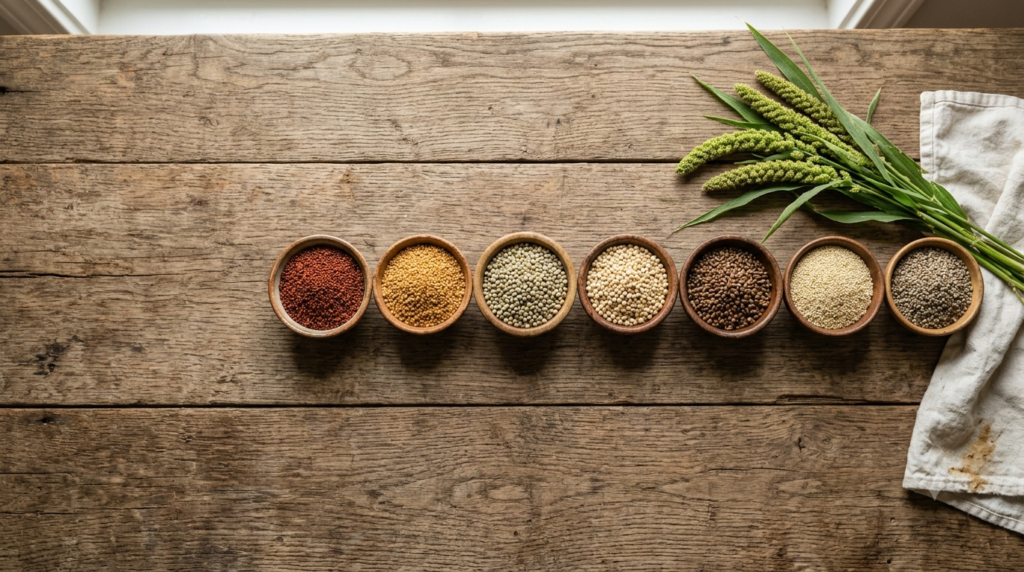
Millets are small, ancient grains that are naturally gluten-free and rich in fiber and minerals. Eaten regularly in place of some refined grains, they can be a nutritious part of an Indian diet. They are a healthy food, not a cure for any disease.
Millets, or siridhanya and shree anna as they are sometimes called in India, were everyday food for generations before polished rice and refined wheat took over. Today they are back on our plates. Here are the main benefits of millets, the types you will find in Indian markets, and simple ways to start eating them.
What are millets?
Millets are a group of small-seeded grasses grown for food, mostly in dry regions. They need little water and grow well in poor soil, which is one reason they have been farmed in India for thousands of years.
They are often split into two groups:
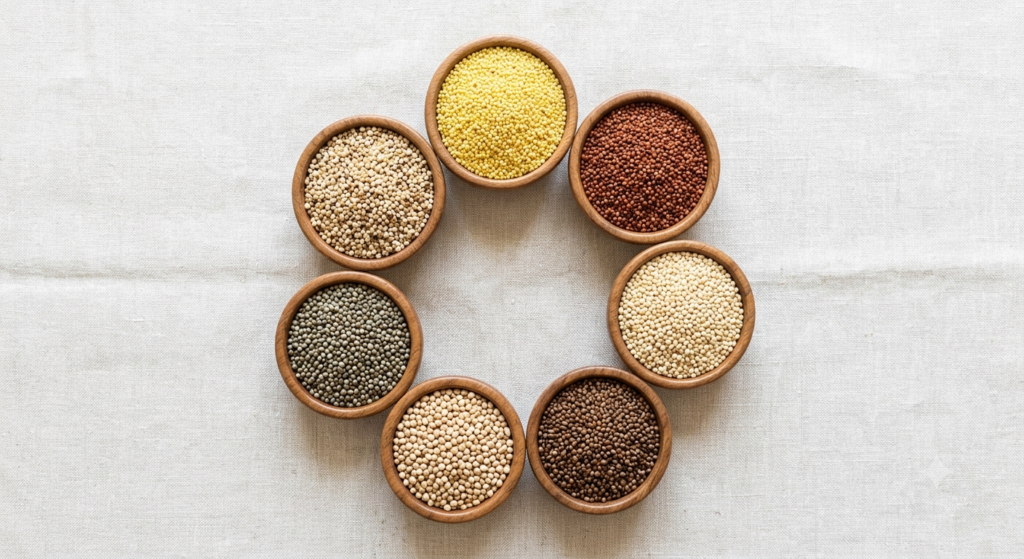
- Major millets: pearl millet (bajra), finger millet (ragi) and sorghum (jowar).
- Small or minor millets: foxtail millet (kangni), little millet (kutki), kodo millet (kodra), barnyard millet (sanwa) and browntop millet.
Health benefits of millets
1. Good source of fiber
Most millets contain more fiber than polished white rice. Fiber supports digestion, helps you feel full for longer, and keeps bowel movements regular.
2. Naturally gluten-free
Millets do not contain gluten, so they are a useful grain choice for people who must avoid wheat, barley and rye, for example those with celiac disease. Check the label on packaged millet products, since they may be processed alongside wheat.
3. Rich in minerals
Millets provide minerals such as iron, magnesium, phosphorus and, in the case of ragi, notably more calcium than most common grains. Exact amounts vary by type, so a mix is better than relying on one millet.
4. May help with steadier blood sugar
Millets generally have a lower glycemic index than polished rice, which means they tend to raise blood sugar more slowly. Early studies are promising, but the evidence is not conclusive. If you have diabetes, millets can be part of your meals, but they should never replace your medicine or your doctor’s advice.
5. A source of plant protein
Millets provide some protein, though less than pulses. Eating them with dal, curd, vegetables or sprouts makes a more balanced meal.
6. Good for your heart as part of a balanced diet
Whole grains, including millets, are linked with better heart health when they replace refined grains in the diet. This works best alongside regular exercise and less sugar, salt and fried food.
Types of millets and what each is known for
| Millet | Common Indian name | Known for |
|---|---|---|
| Pearl millet | Bajra | Iron and energy, popular for rotis in winter |
| Finger millet | Ragi / Nachni | High calcium, used in porridge, dosa and roti |
| Sorghum | Jowar | Mild taste, easy to use in rotis |
| Foxtail millet | Kangni / Thinai | Fiber and a soft texture, cooks like rice |
| Little millet | Kutki / Samai | Cooks quickly, a good rice substitute |
| Kodo millet | Kodra / Varagu | Fiber rich, used in khichdi and upma |
| Barnyard millet | Sanwa / Kuthiraivali | Light on the stomach, often eaten during fasts |
How to add millets to your meals
You do not need to change everything at once. Try one swap at a time:
- Replace one rice meal a week with foxtail, little or kodo millet cooked like rice.
- Make rotis with a mix of wheat flour and bajra or jowar flour.
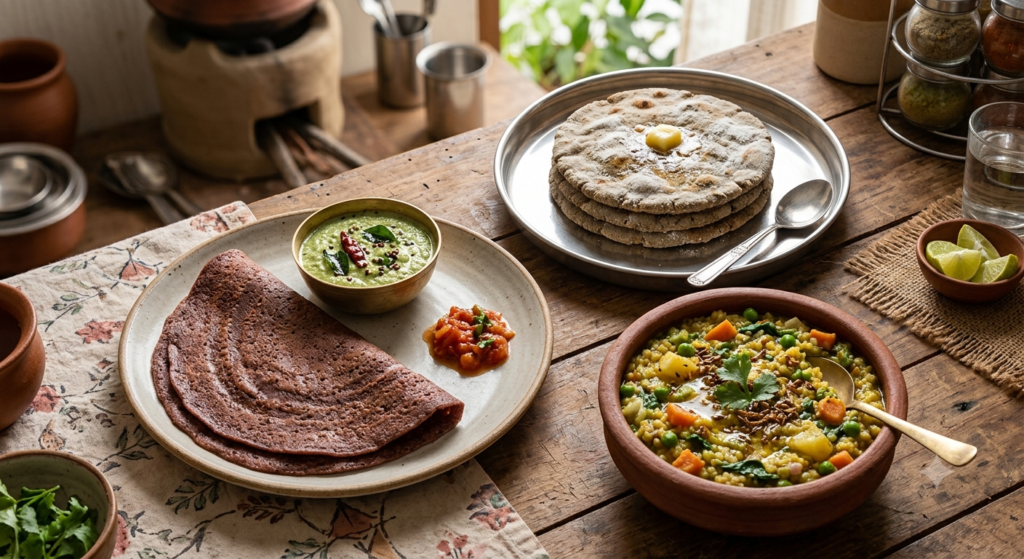
- Try ragi porridge or ragi dosa for breakfast.
- Use millets in upma, khichdi or pulao in the same way you would use rice or rava.
- Soak before cooking. Soaking millets for 6 to 8 hours improves cooking and digestion.
- Start small. Because of the extra fiber, add millets gradually and drink enough water.
Who should be careful
Millets are safe for most people, but speak to your doctor or a dietitian first if you:
- have a thyroid condition, because millets contain natural compounds that can affect thyroid function when eaten in very large amounts
- have diabetes and take medicine, so your plan can be adjusted
- have kidney problems and have been told to limit certain minerals
- have digestive problems that get worse with high-fiber food
Frequently asked questions
Are millets healthier than rice?
Most millets have more fiber and minerals than polished white rice and a lower glycemic index. A balanced diet that includes both is fine, and variety matters more than any single grain.
Can I eat millets every day?
Many people do. A good approach is to rotate different millets through the week rather than eating only one type every day.
Are millets good for weight loss?
Millets can help you feel full because of their fiber, but no single food causes weight loss. Portion size, overall diet and activity matter most.
Do millets have protein?
Yes, in moderate amounts. Combine them with dal, curd, eggs or vegetables for a more complete meal.
Which millet is best for beginners?
Foxtail, little millet and ragi are easy to start with because they cook quickly and are simple to use in familiar dishes.
The Bottom Line on the Health Benefits of Millets
Millets are a nutritious, traditional grain that can add fiber, minerals and variety to Indian meals. Start by swapping one meal a week, try different types, and pair them with vegetables and protein. They work best as part of a balanced diet, not as a miracle food.
Try one millet this week
Swap one rice meal for foxtail millet or ragi, and see how you like it. Which millet will you try first? Tell us in the comments below.
Read next: Ragi Benefits: Nutrition, Uses and How to Eat It
This article is for general information only and is not medical advice. If you have a health condition, please speak with a qualified doctor or dietitian before changing your diet.
Sources
- ICAR-Indian Institute of Millets Research, nutrition information on millets
- ICMR-National Institute of Nutrition, Indian Food Composition Tables
- Ministry of Agriculture and Farmers Welfare, India, material on the International Year of Millets 2023

Hi, I’m Eternal Love, the writer behind THE ETERNAL FACTS. I have an MSc in Biotechnology, and I enjoy reading and writing about health. I’m not a doctor or a dietitian. I research each topic using trusted sources such as the World Health Organization and link them at the end of every article. This information is for general awareness and doesn’t replace advice from a qualified healthcare professional.