
By Eternal love
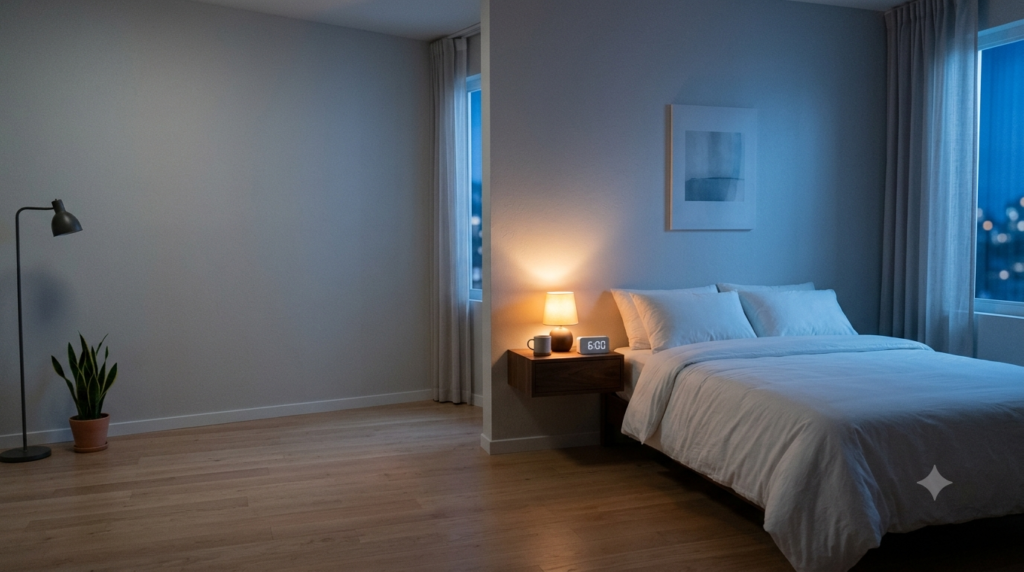
For most adults, no. Health organizations recommend at least 7 hours of sleep a night, and regularly getting only 6 hours is linked to real effects on your mood, focus, and long-term health, even if you feel fine.
If you survive on six hours and think you are doing great, you are not alone. Millions of people do the same, and many of them are sure they have adapted. Here is what the research says, why “feeling fine” can be misleading, and what to do if you cannot get more sleep right now.
How much sleep do adults actually need?
The American Academy of Sleep Medicine and the Sleep Research Society recommend that adults sleep 7 or more hours per night on a regular basis. The CDC gives the same guidance for adults aged 18 to 60.
That is a minimum, not a goal to squeak past. Some people need closer to 8 or 9 hours to feel and function at their best, and that is completely normal.
So is 6 hours enough?
For the large majority of people, 6 hours falls short. A small number of people carry rare genetic variations that let them function well on less sleep, but this is very uncommon. If you need an alarm to wake up, rely on caffeine to get through the morning, or crash on weekends, you are probably not one of them.
Why you might feel fine on 6 hours (and still be affected)
This is the tricky part. In sleep studies where people were limited to about 6 hours a night for two weeks, their attention and thinking speed steadily got worse. Yet the participants rated themselves as only slightly sleepy. In other words, we are poor judges of our own sleep debt. Your brain gets used to feeling a bit foggy and starts to treat it as normal.
What regular short sleep can do to your body
Over time, getting less sleep than you need is linked with:
- Poorer focus and memory. Tired brains make more mistakes and take longer to learn.
- Mood changes. Short sleep is associated with irritability, stress, and a higher risk of depression and anxiety.
- Higher appetite and weight gain. Sleep loss affects the hormones that control hunger and fullness.
- Heart health risks. Long-term short sleep is linked with higher blood pressure and heart disease.
- Blood sugar problems. It is associated with a higher risk of type 2 diabetes.
- A weaker immune system. People who sleep less tend to get sick more often.
- Drowsy accidents. Sleepiness slows reaction time, which matters when driving or working with machinery.
These are links found in research, not guarantees. Many factors affect your health, but sleep is one of the few you can change.
Quality matters too
Six hours of broken sleep is worse than six hours of solid sleep. If you wake often, snore loudly, or wake up unrefreshed after a full night, it may be about quality, not just time. Sleep apnoea and other sleep disorders are common and treatable.
How to get more sleep when life is busy
You do not need to overhaul your life. Try one change at a time:
- Move bedtime earlier by 15 minutes. Small shifts are easier to keep than big ones. Repeat every few days until you reach 7 hours.
- Keep a steady wake-up time. A regular schedule, even on weekends, helps your body clock.
- Set a screen cutoff. Put your phone away about 30 to 60 minutes before bed.
- Watch late caffeine. Caffeine can stay in your system for many hours. Try stopping by early afternoon.
- Make your room cool, dark, and quiet. Your bedroom should signal that it is time to sleep.
- Get daylight in the morning. It helps set your body clock so you feel sleepy at the right time at night.
When to talk to a doctor
See a healthcare professional if you regularly cannot fall asleep or stay asleep, you feel exhausted despite enough time in bed, you snore loudly or gasp during sleep, or sleepiness affects your daily life or safety.
Frequently asked questions
Is 6 hours of sleep enough for adults?
For most adults, no. The recommendation is 7 or more hours a night. Six hours may feel manageable, but research shows it can still reduce alertness and performance.
Can I train myself to need less sleep?
Not really. You can get used to feeling tired, but your body’s need for sleep does not shrink. Performance usually stays lower even when you feel adjusted.
Is 6 hours enough if the sleep is good quality?
Quality helps, but it does not replace quantity. Most adults still need 7 hours or more.
Can I catch up on sleep at the weekend?
Extra sleep on days off can help a little, but it does not fully undo the effects of a week of short sleep. A steady routine works better.
What about teenagers?
Teenagers need more: about 8 to 10 hours a night.
Six hours of sleep is not enough for most adults. If you are there now, aim to add just 15 minutes this week. Your focus, mood, and long-term health will thank you.
This article is for general information only and is not medical advice. If you have concerns about your sleep or health, please speak with a qualified healthcare professional. Last reviewed: October 2026.
Poor sleep and stress often feed each other. Learn more in :
Mental Health: Why It Matters for Your Everyday Life
10 Healthy Habits to start today:
Sources
- American Academy of Sleep Medicine and Sleep Research Society, adult sleep duration consensus statement
- CDC, How Much Sleep Do I Need?
- AASM Sleep Education
- Van Dongen et al. (2003), The cumulative cost of additional wakefulness, Sleep, 26(2), 117–126

Hi, I’m Eternal Love, the writer behind THE ETERNAL FACTS. I have an MSc in Biotechnology, and I enjoy reading and writing about health. I’m not a doctor or a dietitian. I research each topic using trusted sources such as the World Health Organization and link them at the end of every article. This information is for general awareness and doesn’t replace advice from a qualified healthcare professional.
Thank you so much for most useful information 🙂